ParentED Analysis: 48% of students use artificial intelligence, while 31% rely on the technology to receive solutions for assignments and homework

ParentED Analysis: 48% of students use artificial intelligence, while 31% rely on the technology to receive solutions for assignments and homework

  • A European survey shows that 48% of young people aged 12–17 – including those in Romania – use artificial intelligence apps, and nearly half of them have been instructed by their teachers on how to do so.
  • 31% of surveyed students use artificial intelligence apps to receive complete solutions for assignments and homework.
  • Globally, 37% of lower secondary school teachers have used AI in their professional activities.
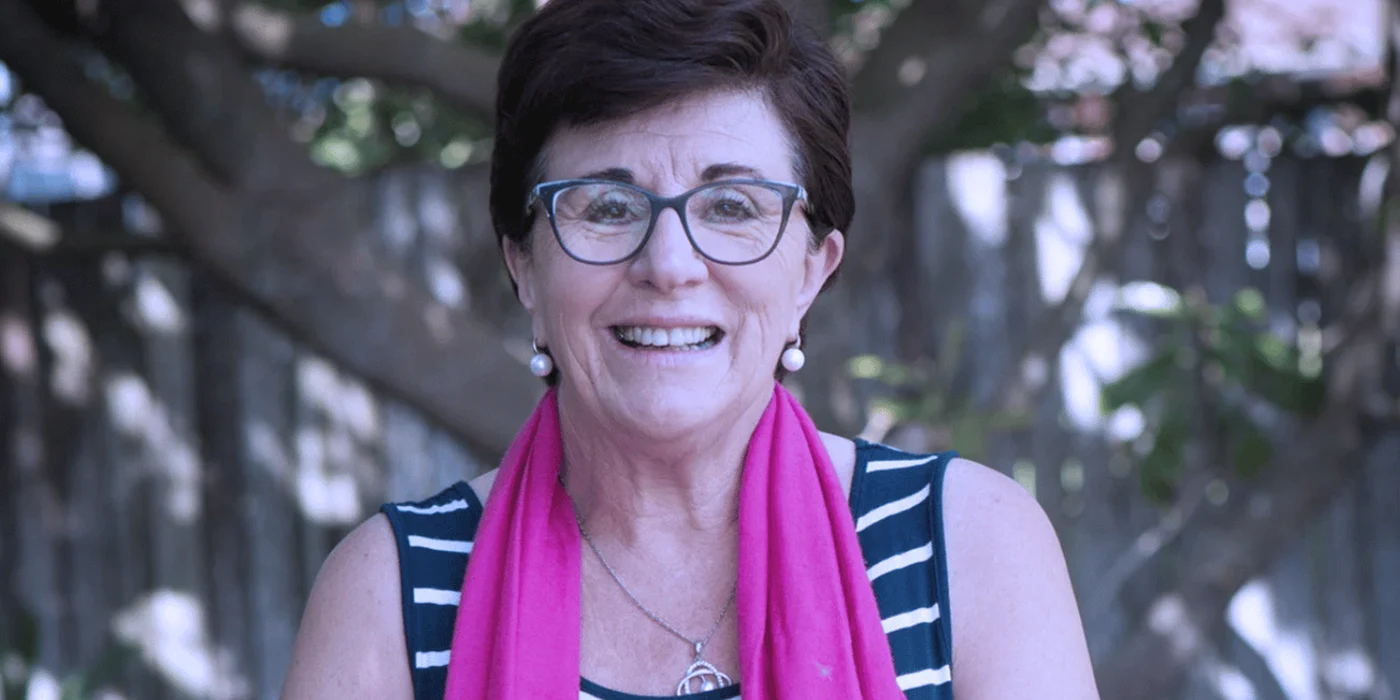
  • Joelle Alexander, parenting expert and speaker at ParentED Fest 2026: “We cannot prepare children for the digital world simply by controlling technology. We must prepare them from within: teach them to have the courage to say ‘no’ when something is not right.”.

BUCHAREST, June 12, 2026 – As artificial intelligence becomes increasingly present in students’ lives, international experts are drawing attention to a less visible challenge: the gap between performance and learning. According to the OECD report analyzed by ParentED Fest, generative artificial intelligence tools can help students complete tasks and achieve better short-term results; however, this does not automatically translate into the acquisition of solid knowledge and skills[1].

A European study conducted across 7 countries – including Romania – shows that 48% of young people aged 12 to 17 reported using ChatGPT in 2024. Among them, nearly half were taught to do so by their

OECD specialists warn that excessive outsourcing of the thinking process to artificial intelligence may reduce engagement. According to the official findings of the OECD Digital Education Outlook 2026 report, “overreliance on generative AI tools that provide direct answers may reduce students’ active engagement, improving task performance without corresponding gains in learning.”

When learning outside of school and without direct guidance from teachers, data analyzed by ParentED Fest show that 56% of students use artificial intelligence to obtain useful information for independent study. In addition, 45% of young people use these apps to request detailed explanations of terms and concepts, 31% turn to digital tools to receive complete solutions for assignments and homework, while 29% seek interactive and adaptive content to guide them throughout the learning process. Only 20% of students use the technology for structuring and planning purposes, such as creating a personalized learning plan and monitoring their own progress.

Several studies indicate that although students with access to general-purpose GenAI tools produce higher-quality outputs than their peers, this advantage disappears and sometimes even reverses during examinations, when access to such tools is restricted. By contrast, when integrated into an educational process with clear objectives, GenAI tools can support knowledge development and generate lasting benefits for learning[2].

The report also highlights the role teachers have in a world where AI is becoming increasingly accessible. In 2024, 37% of lower secondary school teachers used artificial intelligence in their professional activities. Furthermore, 57% of lower secondary school teachers agree that artificial intelligence helps create or improve lesson plans. At the same time, 72% of educators believe that artificial intelligence may affect academic integrity by enabling students to submit work as their own.

Preparing Children “from Within” for the Digital Era

In a context where children’s digital footprint is becoming increasingly extensive and difficult to control, the question is no longer whether they will be exposed, but how prepared they are.

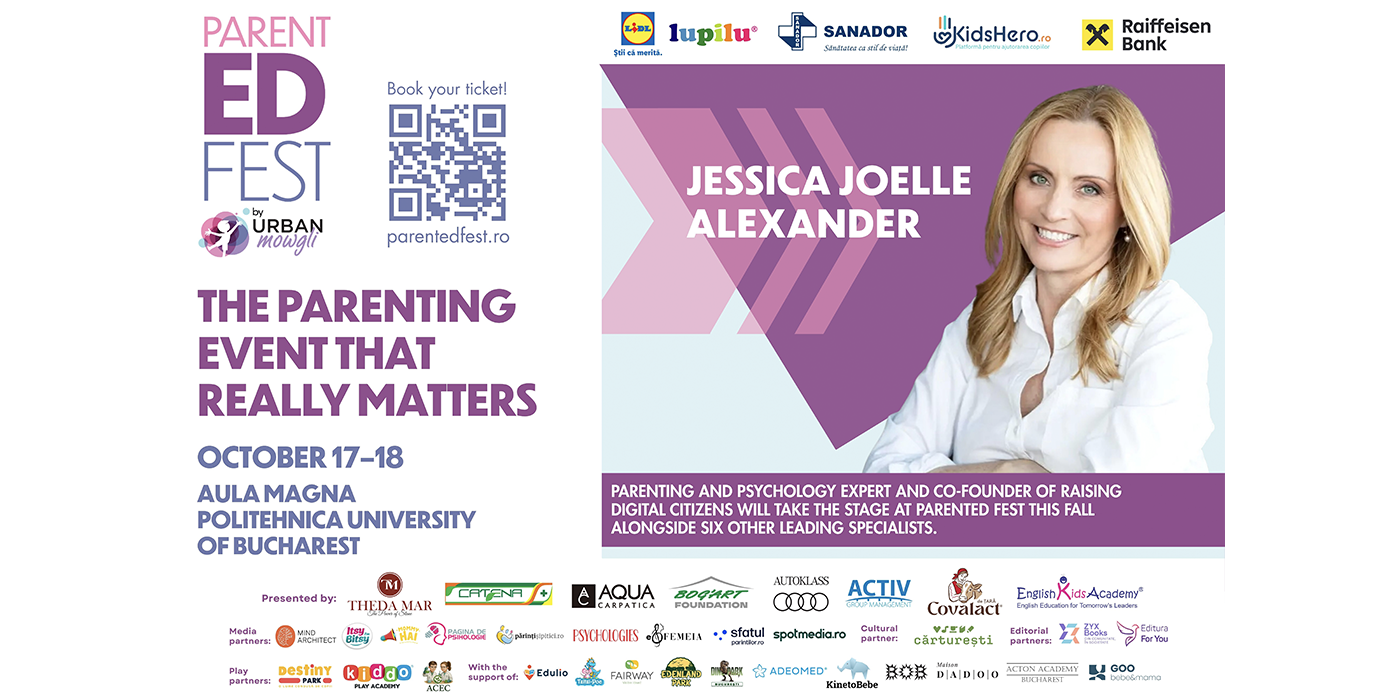
Jessica Joelle Alexander, co-founder of the Raising Digital Citizens platform[3] and one of the keynote speakers at this year’s ParentED Fest, brings to Romania one of the most important topics of the moment: preparing children for a digital world they enter long before they have developed the internal tools needed for protection.

We cannot prepare children for the digital world simply by controlling technology. We must prepare them from within: to think critically, feel empathetically, and have the courage to say ‘no’ when something is not right. Having ongoing conversations about values in the online world and building a relationship based on trust rather than fear is one of the best long-term investments a family can make for a child’s safety,” says Jessica Joelle Alexander.

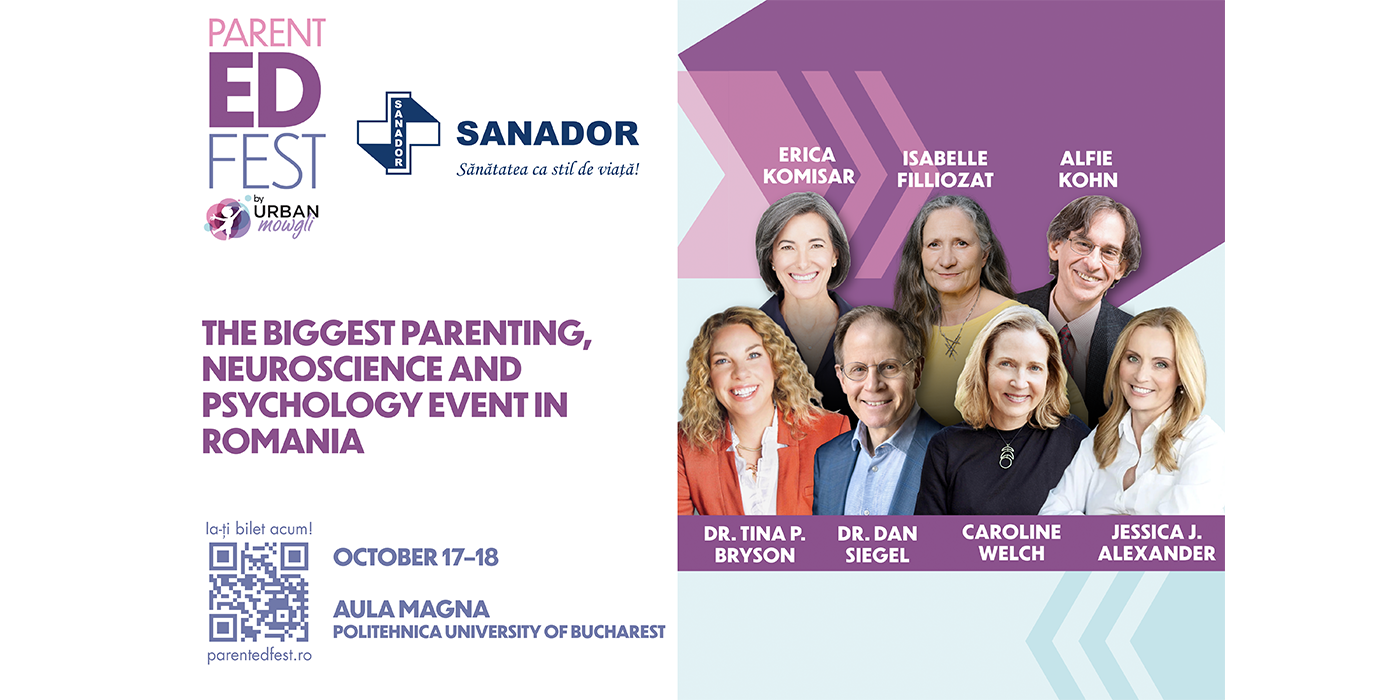
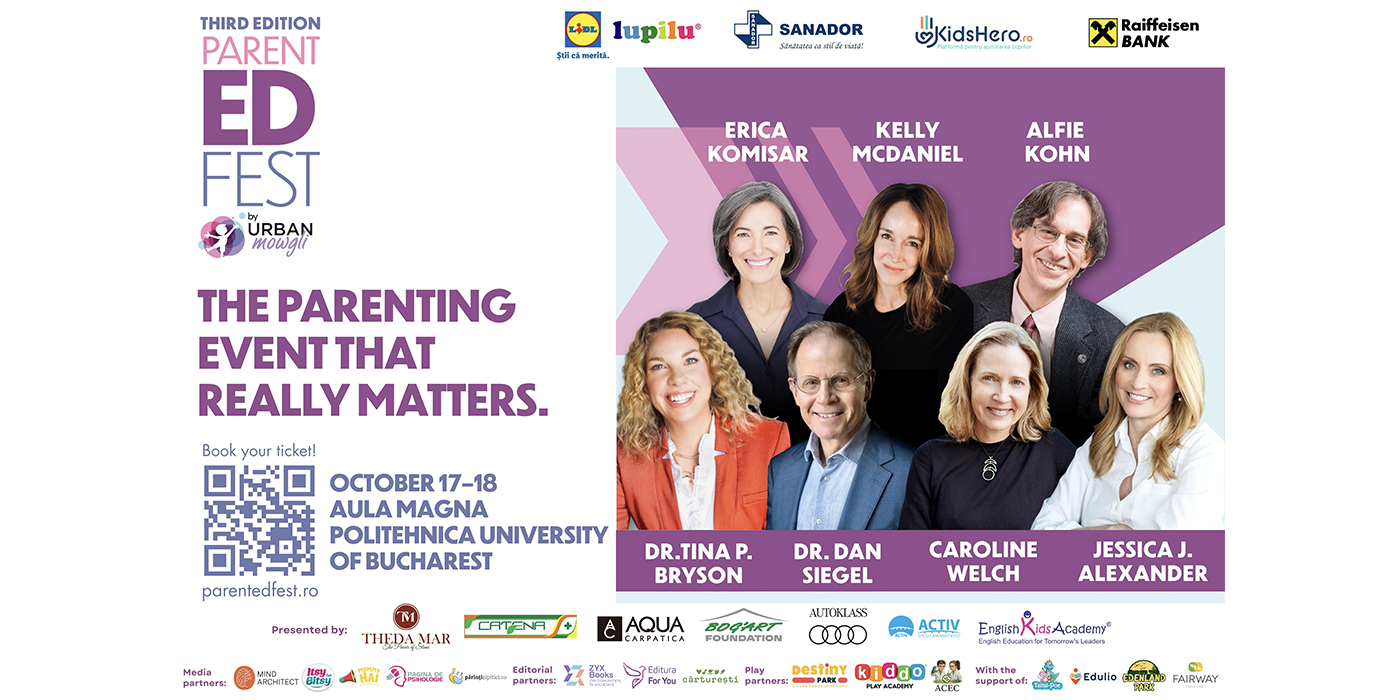
This year’s edition of ParentED Fest will take place on October 17–18 and will bring together 7 leading international experts in child psychology and education: Alfie Kohn, Erica Komisar – for the first time in Romania, Kelly McDaniel – for the first time in Romania, Dr. Tina Payne Bryson, Dr. Dan Siegel – returning by popular demand, Caroline Welch, and Jessica Joelle Alexander – returning to ParentED Fest for the second time.

More information about ParentED Fest 2026 is available at www.parentedfest.ro.

Event supported by: Strategic Partner: Lidl Romania / Lupilu, Healthcare Partner: Sanador, Empowerment Partner: Kids Hero Foundation, Growth Partner: Raiffeisen Bank. Supported by: ThedaMar, Catena, Aqua Carpatica, Bog’Art Foundation, Autoklass Audi Ploiești, Activ Group Management, Covalact. Educational Partner: English Kids Academy. Media Partners: Mind Architect, Itsy Bitsy, Mommy Hai, Pagina de Psihologie, Părinți și Pitici, Psychologies, e-femeia, Sfatul Părinților, SpotMedia. Cultural Partner: Carturesti. Editorial Partners: ZYX Books, Editura For You. Play Partners: Destiny Park, Kiddo Play Academy, ACEC. Produced with the support of: Tzitzi Poc, Edulio, Edenland Park, Fairway, Dino Park Bucuresti, Kinetobebe, BOB, Maison Dadoo, Acton Academy Bucharest, Goo – mama&bebe.

[1] OECD Digital Education Outlook 2026

[2] OECD Digital Education Outlook 2026

[3] About Raising Digital Citizens

Half of Europeans at risk of depression, with growing impact on children Over 80% of brain development occurs before the age of 3

Half of Europeans at risk of depression, with growing impact on children Over 80% of brain development occurs before the age of 3

  • 57% of Europeans are at risk of depression, and specialists warn that parental stress and burnout can have direct effects on children’s emotional development.
  • The first three years of life are critical for a child’s development. Access to quality care, secure relationships, and free play directly influence brain development, as well as emotional, social, and cognitive skills.
  • “The relationship between parent and child is where the child’s mind develops”, says Daniel J. Siegel[i], one of the world’s leading experts in interpersonal neuropsychiatry and child development.

Bucharest, April 21, 2026 – More than half of Europeans (57%) are at risk of depression, according to the latest report published by Eurofound[ii], the European Union agency specializing in living and working conditions. The data indicates low levels of emotional well-being among the adult population, against a backdrop of economic pressure, uncertainty and increasing difficulty in balancing personal life with daily responsibilities.

Specialists warn that the effects of this pressure do not stop at the individual level. International research shows that parental stress is associated with emotional and behavioural difficulties in children. More specifically, when parents experience prolonged periods of tension and emotional exhaustion, children are more likely to exhibit anxiety, behavioural issues or difficulties in managing emotions.

Experts say the impact is not limited to moments of crisis but is most often felt in everyday routines: a lack of patience, repeated conflicts, constant rushing or emotional unavailability can affect the family environment and a child’s sense of security.

The effects are even more significant in the first years of life, a crucial period for child development. The Harvard Center on the Developing Child[iii] shows that more than 80% of brain development takes place before the age of 3. This is also when the foundations of language, emotional self-regulation, trust and learning ability are established, with relationships with close caregivers playing a decisive role.

Early experiences literally shape the architecture of the child’s brain and lay the foundation for how they will learn, relate and manage their emotions later in life,” emphasizes Daniel J. Siegel, one of the world’s leading experts in interpersonal neuropsychiatry and child development.

The relationship between parent and child is where the child’s mind develops,” says Siegel, who will return to Bucharest this autumn, by popular demand, to speak at ParentED Fest 2026 on the impact of early relationships on child development, emotional regulation, and the challenges of modern parenting.

Play is not wasted time. It is the foundation of child development

Child development specialists emphasize that free play, secure relationships and quality time spent with adults are essential elements in the early years of life, when the emotional, social and cognitive foundations of a child are formed.

We often believe we are helping children by pushing them to perform as early as possible. In reality, children learn best when they are given the space to explore, play and discover at their own pace. This is how they develop self-confidence, autonomy and intrinsic motivation to learn. Free play does not hold them back—it prepares them for life,” says Jessica Joelle Alexander[iv], author of the bestseller The Danish Way of Parenting.

One of the international voices promoting the Nordic parenting model, Jessica Joelle Alexander will return to Bucharest on October 17–18 for ParentED Fest 2026, where she will speak about the role of play in child development, emotional balance and the lessons Romanian families can learn from the Danish model.

Caroline Welch, one of the most acclaimed international authors and experts in psychology, mindfulness and conscious leadership, will explore topics such as emotional balance in the family, managing parental stress, and how parents can cultivate presence and calm in their relationship with their children at ParentED Fest 2026.

Event supported by:

Strategic Partner: Lidl Romania / Lupilu; Healthcare Partner: Sanador; Empowerment Partner: Kids Hero Foundation; Growth Partner: Raiffeisen Bank. Supported by: ThedaMar, Catena, Aqua Carpatica, Bog’Art Foundation, Autoklass Audi Ploiești, Activ Group Management. Educational Partner: English Kids Academy. Media Partners: Mind Architect, Itsy Bitsy, Mommy Hai, Pagina de Psihologie, Părinți și pitici, SfatulParintilor.ro. Publishing Partners: ZYX Books, For You Publishing House, Cărturești. Play Partners: Destiny Park, Kiddo Play Academy, ACEC. The event is organized with the support of: Tzitzi Poc, Edulio, Edenland Park, Fairway.

[i] https://drdansiegel.com/book/parenting-from-the-inside-out/

[ii] https://www.eurofound.europa.eu/en/publications/all/uneven-picture-of-a-changing-europe-findings-from-living-and-working-in-the-eu-e-survey-2025

[iii] https://www.sciencedirect.com/science/article/pii/S0021755724000408

[iv] https://developingchild.harvard.edu/key-concept/brain-architecture/

Romanians rank among the top in the EU for hours worked, and families are paying the price: Half of parents say stress is affecting their relationship with their children

Romanians rank among the top in the EU for hours worked, and families are paying the price: Half of parents say stress is affecting their relationship with their children

Bucharest, March 19, 2026 – Romanians have some of the highest working hours in Europe, and families are beginning to pay the price. With an average of 38.8 hours worked per week – surpassing the European Union average according to Eurostat[i], – the lack of time and constant professional pressure are becoming major sources of primary stress for parents, with a direct impact on their bond with their children.

Data confirms this phenomenon: 6 out of 10 Romanian parents report struggling with stress and chronic fatigue, and the situation is even more acute for those with young children. According to a Reveal Research study on parenting challenges in Romania[ii], 65% of parents with children aged 0 to 6 say they feel constantly exhausted.

Stress has a definite impact on daily life. 55% of parents say that fatigue affects their ability to communicate, and 40% say they are unable to maintain a work-life balance. Experts warn that, under these circumstances, family time is increasingly reduced to a checklist of chores and responsibilities, causing the emotional connection with the child to suffer.

Similar findings are also reported in international research on parental burnout. The Parental Burnout Around the World[iii] Study, conducted among 17.409 parents in 42 countries, shows that parental burnout occurs in all the cultures studied, but is significantly more common in developed Western countries, where social expectations for parents are higher.

An increasing number of studies in developmental psychology and neuroscience show that early relationships between children and their primary caregivers influence emotional development, the ability to regulate emotions, and the way people form relationships in adulthood.

There is a «hidden contract» that we learn from our first caregivers: we must do, be, or say certain things in order to be accepted and loved. This pattern extends throughout our lives and influences how we relate to our own children — especially the desire to «fix» things or to be a better parent than the one we had”, says Kelly McDaniel[iv], therapist and author renowned for the Mother Hunger concept. Kelly McDaniel will be in Bucharest for the first time on October 17-18, where she will explore these themes at ParentED Fest 2026.

What neuroscience says about the parent-child relationship

In turn, Dr. Tina Payne Bryson, psychotherapist and child development expert, explains how daily interactions between parents and children influence brain development:

Children’s brain development is shaped by relational experiences with the adults in their lives; the way we connect with them, how we respond to their emotions, and how we handle difficult moments are key elements that influence their ability to regulate emotions and build healthy relationships”, explains Dr. Bryson, co-author, alongside Dan Siegel, of the bestseller The Whole-Brain Child, where neuroscience principles are practically applied to parenting[v].

Children don’t need perfect parents; they need parents who are present enough and willing to repair the relationship when difficulties arise. Repair is one of the most important emotional learning experiences for a child”, adds Dr. Bryson, who will also be featured on stage at ParentED Fest 2026.

The theme of early parent-child relationships will be explored in depth at this year’s ParentED festival, in October in Bucharest, alongside other topics such as attachment, children’s emotional development, parents’ mental health, and the role of family relationships in children’s development.

The event is sponsored by: Strategic Partner: Lidl România/ Lupilu, Healthcare Partner: Sanador, Empowerment Partner: Fundația Kids Hero, Growth Partner: Raiffeisen Bank. Supported by: ThedaMar, Catena, Bog’Art. Educational Partner: English Kids Academy. Media Partners: Mind Architect, Itsy Bitsy, Mommy Hai. Editorial Partner: ZYX Books.


[i] https://ec.europa.eu/eurostat/web/products-eurostat-news/w/ddn-20250514-1

[ii] https://reveal.ro/en/lifestyle-en/reveal-research-children-and-parents/

[iii] htps://pmc.ncbi.nlm.nih.gov/articles/PMC7970748/

[iv] https://nancylevin.com/episode-97-transcript-encore-how-to-heal-your-mother-hunger-with-kelly-mcdaniel/

[v] https://swiftread.com/books/the-whole-brain-child

Two International Parenting Thought Leaders, Alfie Kohn and Erica Komisar, to Speak at ParentED Fest

Two International Parenting Thought Leaders, Alfie Kohn and Erica Komisar, to Speak at ParentED Fest

Romania’s parenting event that really matters Takes Place on October 17–18, in Bucharest

Bucharest, February 5, 2026. ParentED Fest, the event that brings some of the world’s most renowned international experts in parenting and personal development to Bucharest, along with the latest research in child development, returns for its third edition in 2026, taking place over the weekend of October 17–18 in Bucharest.

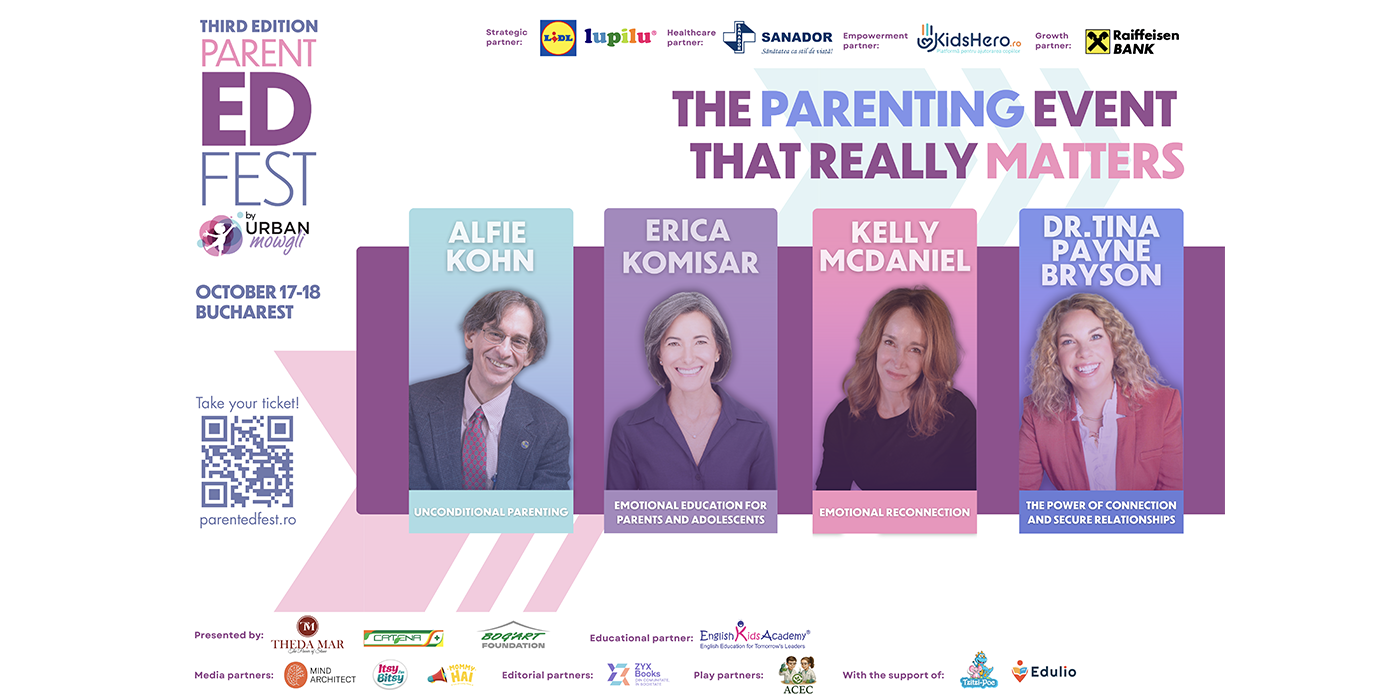
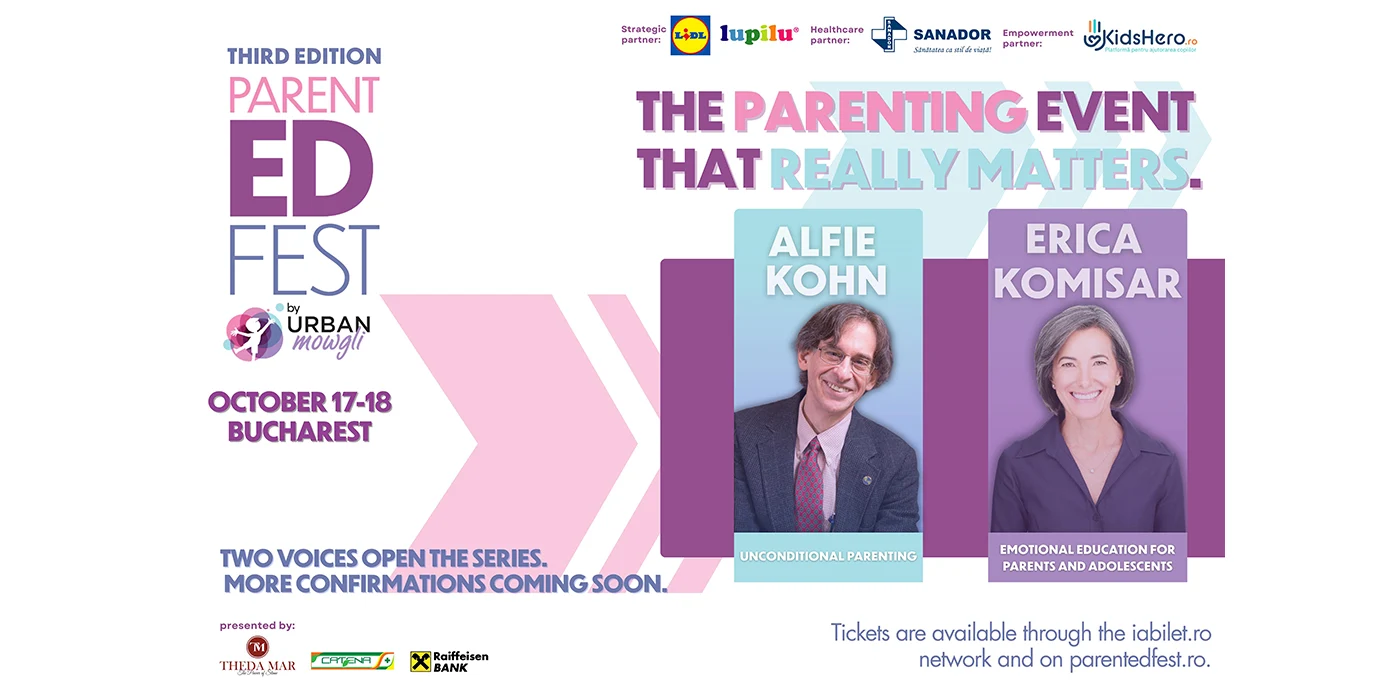
The first confirmed speakers are Alfie Kohn and Erica Komisar, two influential voices who have reshaped the way millions of parents and educators understand discipline, attachment and children’s emotional needs. These are only the first experts announced, with more prominent names from the fields of parenting, psychology, and child development to be revealed in the coming months.

Modern parenting comes with real emotional pressures. According to a 2024 study conducted by Reveal Marketing Research, 55% of Romanian parents consider communication with their children to be one of their biggest challenges, while 54% say that managing stress and exhaustion is a significant burden in their parenting role.

The event responds to the need for modern, evidence-informed approaches and is addressed not only to parents, but also to professionals working with children of all ages: teachers, educators, coaches, therapists, and counselors. Following the success of the first two editions in 2024 and 2025, which welcomed over 3,000 participants and featured some of the most important international names in the field, ParentED Fest has become the only parenting event in Romania that truly matters.

A special Early Bird ticket campaign, available in very limited numbers, is launching alongside the announcement of the first confirmed speakers. Tickets are available at parentedfest.ro and through the iabilet.ro network.

One of the World’s Leading Critics of Punishment- and Reward-Based Education

Author of multiple international bestsellers, Alfie Kohn is one of the most prominent advocates of respectful, non-punitive parenting. His critiques of rewards and competition have helped shape the thinking of parents, educators, and leaders around the world.

Alfie Kohn writes and speaks extensively about education, parenting, and human behavior. He is the author of 14 books translated into more than 20 languages, including Romanian, among them Unconditional Parenting, Punished by Rewards, The Myth of the Spoiled Child, and No Contest: The Case Against Competition. He lectures internationally and has appeared on numerous television programs, including twice on The Oprah Winfrey Show. Among his hundreds of published articles are “Five Reasons to Stop Saying ‘Good Job!’”, “How Not to Teach Values”, and “Raising an UnTrump.” Kohn hosts the Kohn’s Zone podcast, lives in Boston, and his resources can be found at www.alfiekohn.org.

A Leading Voice for Attachment and Early Emotional Development

The second speaker taking the ParentED Fest stage, appearing in Romania for the first time, is Erica Komisar, LCSW, a clinical social worker, psychoanalyst, and parenting expert with over 30 years of experience in private practice. Erica is internationally recognized for her work in attachment, emotional development, and mental health throughout childhood and adolescence, with a particular focus on anxiety, depression, and building resilience in teenagers.

She is the author of Being There, Chicken Little: The Sky Isn’t Falling, and The Power of Play (released in 2025), and a regular contributor to The Wall Street Journal, The Institute for Family Studies, and The Dispatch. She has appeared on CBS, Fox News, and The Diary of a CEO podcast. Erica is the founder of Attachment Circles, a member of the advisory board of ARC (Alliance for Responsible Citizenship), and has presented at the United Nations on topics related to child development and emotional health. She lives in New York City with her husband and their three children, now young adults.

A Place Where Parents Feel Less Alone on the Parenting Journey

ParentED Fest was born from the personal journey of two parents, Diana and Bogdan Bălan, who found themselves at a crossroads, searching for guidance in a world filled with noise, opinions, and conflicting advice about raising children. The founders’ mission and vision are to bring science-based, emotionally guided education closer to parents, so that every parent can feel less alone on the journey of raising the next generation.

From conferences led by top specialists in parenting, neuroscience, and psychology, to exclusive workshops and moments of genuine human connection, the event creates a safe and stimulating space for learning, reflection, and personal transformation.

ParentED Fest is organized with the support of Lidl Romania – Strategic Partner, Sanador – Healthcare Partner, Fundatia Kids Hero – Empowerment Partner, as well as ThedaMar, Catena, and Raiffeisen Bank.

ParentED Fest is the official education provider of the Royal Margareta of Romania Foundation. More information is available at https://parentedfest.ro.

ParentED Fest – About Mission, Shared Values and Gratitude

ParentED Fest – About Mission, Shared Values and Gratitude

I am writing these lines not only as the co-founder of ParentED Fest, but also as the ambassador of a movement that aims to bring parents closer to high-quality resources, dedicated specialists, and communities that believe in the same vision: education for parents, through an authentic, connected, and transformative experience.

ParentED Fest was born out of a real need that I felt myself and witnessed in those around me: the need for a space where parents can find answers, inspiration, and support during a stage of life that is both beautiful and incredibly challenging. We built this event with parents in mind – parents who seek balance between theory and practice, between validated knowledge and emotional connection, between learning and truly experiencing the joy of parenting.

Our Gratitude to the Main Partners

ParentED Fest would not be possible without the partners who chose to believe in our mission and join this initiative. I am deeply grateful to our main sponsors, who share the same values and the same desire to support parents and children:

  • Lidl Romania and the Lupilu brand – for their constant support of families and for the way they provide parents with affordable, high-quality products that make everyday life easier. Their values of care, responsibility, and sustainability naturally align with the vision of ParentED Fest. Lupilu means more than products – it means trust and support for parents at every stage of their children’s growth.
  • SANADOR – for their dedication to the health and safety of families. With a modern medical network and top-quality services, SANADOR represents prevention, quick access to care, and a team of professionals who put patients and families first. Their values – care, professionalism, and innovation – go hand in hand with the mission of ParentED Fest: to support parents in making informed choices and having the resources they need for a healthy and balanced life.
  • Kids Hero – a non-profit organization dedicated to supporting children and their families, through projects and initiatives that bring closer real resources, support, and opportunities. Kids Hero exists to offer children a better future through education, involvement, and solidarity. We share the same belief: that every child deserves to be protected, supported, and encouraged to reach their full potential.

Thanks to All Our Partners

Beyond these three main sponsors, I want to wholeheartedly thank all our partners and collaborators involved in this event. Every contribution – whether resources, expertise, or presence – brought added value and made ParentED Fest a vibrant, warm, and meaningful space.

ParentED Fest 2025 – We Begin Tomorrow!

Tomorrow marks the start of ParentED Fest 2025 – two full days of inspiration and connection, bringing together powerful voices, authentic messages, and real resources for parents.

I want to thank everyone who has shown interest in this event, those who took the initiative to spread the message further, those who will be present in the room, as well as those who cannot attend but are with us in thought.

Because change begins with small steps.

And it begins with us.

With gratitude,

Diana Bălan

Co-founder ParentED Fest

70% of 10-Year-Olds Own a Smartphone ParentED Fest: Summer Break – A Key Opportunity for Family Reconnection and Digital Balance

70% of 10-Year-Olds Own a Smartphone ParentED Fest: Summer Break – A Key Opportunity for Family Reconnection and Digital Balance

  • Nearly 70% of children aged 10 already own a smartphone, unlocking access to a limitless digital universe
  • 69% of young people aged 9 to 22 spend over 3 hours a day on social media or online gaming—even during school days
  • Parenting expert Maggie Dent: “The digital distraction of devices, laptops, screens and smart phones is stealing precious moments of verbal communication with our kids.”

Bucharest, 1st of July, 2025 – Around 70% of 10-year-old children already own a smartphone, and spend, on average, more than 3 hours a day on social media and online games—even during the school week. Over the past decade, screen time has tripled among children aged 9 to 15, and more than 80% of young people across Europe use social media daily. In a world where technology and screens increasingly dominate children’s and teenagers’ lives, parents are under growing pressure to strike a healthy balance between digital opportunities and the risks they pose.

The World Health Organization (WHO) has issued clear guidelines to support children’s health and balanced development: infants under 1 should not be exposed to screens at all, while those aged 2 to 4 should spend no more than one hour per day in front of a screen. At the same time, daily physical activity—at least 180 minutes—is crucial to motor and cognitive development.

Renowned for her expertise in child development and balanced parenting—and widely recognized as “the voice of boys” in the parenting world—Maggie Dent warns of the potential damage technology can inflict on childhood:

We are stealing play from childhood. We give children screens to keep them quiet. We offer content that is more boring, with less autonomy and less movement. And we expect better outcomes? Children still need a childhood with dirt, mud, puddles, trees, and sticks.”

Maggie Dent also stresses the vital role of active parental involvement:

“Quite simply, the more words children hear before they are five, the better. Digital distractions caused by devices, laptops, screens, and smartphones are stealing valuable moments of verbal communication with our children. It’s not just about vocabulary—it’s about the social and emotional impact, which can cause real difficulties later in life. A key concern is that a child who doesn’t learn to express unmet needs may grow into an adult who struggles to communicate effectively. And poor communication can become a serious barrier to genuine, authentic human connection.”

In Romania, the situation is even more alarming: 50% of parents say they gave their children their first phone between the ages of 5 and 8, while over one-third did so between the ages of 9 and 12.

With the school break just beginning, ParentED Fest urges parents to replace unsupervised access to technology with quality family time, outdoor activities, and meaningful conversations—essential for children’s emotional health and overall development.

Maggie Dent will visit Bucharest on October 4–5 to deliver a keynote conference as part of ParentED Fest 2025.

The largest parenting event in Romania, ParentED Fest, will take place on October 4-5, 2025, in Bucharest. The event, now in its second edition, will bring together world-class experts in child-rearing and care: Maggie Dent, recognized parenting expert and author of books on balanced child development; Dr. Laura Markham, psychologist and bestselling author on connection-based parenting; Dr. Shefali, international clinical psychologist, who returns to ParentED Fest for the second time after last year’s success; Dr. Gordon Neufeld, psychologist specializing in child development and pioneer in attachment; Tamara Neufeld Strijack, therapist and author, and Dr. Daniel Siegel, world-renowned neuropsychiatrist and pioneer in integrating neuroscience with psychology.

ParentED Fest 2025 is supported by Lidl Romania – Strategic Partner, Sanador – Healthcare Partner, Kids Hero Foundation – Empowerment Partner, as well as ThedaMar, Catena, Raiffeisen Bank, Activ, English Kids Academy, Maison Dadoo, and Aquatique.

Innovation Partners: Fundația Alfa, Fundația Bog’Art.

Media partners: Zyx Books, Pagina de Psihologie, Psychologies, Ringier Romania, Părinți și Pitici, Adevărul de Weekend, Mommy Hai.

Event supported by: Matca Social Club, Destiny Park, International British School of Bucharest, CyberJump, Genesis College, KinetoBebe, American International School of Bucharest, Liceul Teoretic Luca, Museum of Senses, Muzeul Fotbalului, Basme cu Cai, Ograda Bunicilor, Acvatic Bebe Club, Edenland Park, Bob Coffee Lab, Dino Park, Tzitzi – Poc, Mamaz, Curtea Veche Publishing, Editura Trei, Editura Univers, Editura Herald, Editura For You, Kiddo Play Academy și Adeomed.

Tickets are available through the IaBilet.ro network and www.parentedfest.ro website.


Media enquiries: Stefan Pascuta +40 748 883 201

14 Cases of Domestic Violence per Hour in Romania in the First Months of 2025 | ParentED: Early Parental Education Can Save Lives

14 Cases of Domestic Violence per Hour in Romania in the First Months of 2025 | ParentED: Early Parental Education Can Save Lives

  • 14 cases of domestic violence were recorded in Romania during the first months of 2025.
  • 38% of parents admit to physically abusing their children, and 63% of children state that they are beaten at home by their parents.

Bucharest, June 3, 2025 – In the first four months of 2025, there was an average of approximately 14 cases of domestic violence per hour in Romania. Police intervened in over 40,000 cases at the start of this year, according to IGPR*; meanwhile, according to Save the Children data, nearly 30% of children and young people of school age do not attend any form of education, and the dropout rate in primary and secondary cycles reached 19.2% in 2024.

In Romania, the correlation between various forms of domestic violence—including child abuse—and low education levels is becoming increasingly evident, representing a serious social problem. According to a study by Save the Children, 38% of parents admit to physically abusing their children, and 63% of children report being beaten at home by their parents.

At the same time, nearly 20% of parents still perceive physical punishment as an acceptable disciplinary method, indicating a lack of awareness about the negative effects of violence on child development**.

“The tragic events of recent days are not exceptions but direct consequences of a system that does not function — a system that does not protect but exposes women and children to ongoing risks. At ParentED Fest, we believe that real change starts with education. It is essential to help families build safe relationships based on trust, empathy, and mutual respect. In such a culture, violence is neither method nor justification. When violence becomes part of daily life, it is no longer perceived as an exception. It becomes the norm. And tragedies are just a natural consequence of this sick ‘normality’. It’s time for action. We join civil society voices calling for a profound rethinking of public policies regarding the safety of women and children. We can no longer wait for the next tragedy”, said Diana Bălan, parenting expert and founder of ParentEd Fest.

Prevention Starts with Education

Parental education is not just about “how to set gentle but firm boundaries for your child.” It means raising a child who can identify a lack of respect, recognize aggression, and trust enough to report it. It means parents becoming those adults whom children can trust.

UNICEF Romania emphasizes that approximately 400,000 Romanian children are out of the education system, two out of 10 children do not complete eight grades, and only six out of 10 attend high school***

This lack of access to education contributes to perpetuating a vulnerable family environment prone to violence. Low education levels, especially in rural areas or vulnerable communities, are often associated with a culture of violence, perpetuated through inappropriate disciplinary methods, impacting both family relationships and children’s emotional health. 

“Secure relationships between parents and children are fundamental for their healthy development. Understanding children’s emotions and needs help fosters resilience, trust, and emotional balance. Children cannot report danger when they are afraid of the adults they should trust. They need to feel safe first in order to recognize what is not safe. And safety does not only mean physical protection. It also involves parental education, emotional education in schools, critical thinking; tools through which a child can learn to say: What is happening to me is not normal,” highlights Dr. Gordon Neufeld, child development psychologist, who will be present at ParentED Fest this fall.

According to a British study, parents’ education level directly influences children’s cognitive development, including reading and math skills. Thus, parental involvement in early childhood education leads to higher graduation rates, better academic performance, and stronger social skills****.


*https://politiaromana.ro/ro/stiri-si-media/stiri/interventii-pentru-prevenirea-si-investigarea-violentei-domestice1748158296

**https://www.salvaticopiii.ro/sites/ro/files/migrated_files/documents/a271a06c-4e1e-4a6f-831a-b1c8de0917bd.pdf

*** https://www.unicef.org/romania/ro/educa%C8%9Bia-parental%C4%83-%C3%AEn-rom%C3%A2nia

**** https://osf.io/preprints/psyarxiv/s5eyg_v1

Media enquiries: Stefan Pascuta +40 748 883 201

ParentEd: While Romanians argue about politics on social media and TV, children absorb all the chaos

ParentEd: While Romanians argue about politics on social media and TV, children absorb all the chaos

  • Sound pollution in Romanian homes affects children’s learning, play, and sleep, who are more vulnerable to noise than adults
  • Studies show that children exposed to TV for 2 hours daily are 6 times more likely to experience language development delays
  • Renowned doctor: Experiences actually change the physical structure of the brain

Political scandals during this period, arguments from debates and talk shows, and continuous noise stress children right in their own homes[1]. A recent study analyzed by ParentEd shows that little ones are becoming increasingly agitated due to the noise caused by the adults around them. The situation is even more serious when children aged 8-12 are glued to phones and tablets for 5.5 hours a day, while televisions are constantly on throughout homes, even when no one is watching.

In this tense and hyper-mediatized climate, children are involuntarily exposed to a chaotic sound environment that affects their development. While parents stay on phones or in front of televisions, children can no longer learn, play normally, or sleep peacefully. Experts state that children exposed to television for 2 hours daily have 6 times greater risk than others of speaking later and less correctly. In Romania, adults aged 35 to 55 tend to watch television together with family and prefer TV news, shows another study[2].

Dr. Daniel J. Siegel, a doctor from the United States and expert in brain development, warns:

“Experiences actually change the physical structure of the brain.”

Every hour spent in front of screens with chaotic content, every electoral scandal on TV affects children’s neurons, who don’t remain indifferent: over 50% of parents surveyed in another study stated they observed concerns in their children related to political issues presented in the media[3].

Sound pollution inside homes – from televisions with news and political scandals to noisy household appliances – is added to that from the external environment, and children are more vulnerable to noise than adults because they are developing and have limited control over filtering information.

According to studies analyzed by ParentEd, excessive noise can affect:

  • Learning: Children can no longer concentrate at school, memory decreases, and test performance suffers.
  • Play: Television running in the background prevents them from concentrating on toys.
  • Sleep: They wake up frequently, stressed and tired, even if they don’t realize it.
  • Stress: Their bodies are constantly alert due to sound chaos.

Additionally, children have their own screen time: Children aged 8 to 12 spend approximately 5.5 hours daily on devices. Usage has increased since 2019, even before the COVID-19 pandemic began to spread, shows research from 2024[4] Children between 12 and 24 months who spend 2 hours daily on screens have 6 times greater risk of speech delays.

Specialists recommend turning off televisions when no one is watching, limiting screens, and creating “quiet zones” in the home. Dr. Daniel Siegel also recommends, for reducing anxiety, the RAIN method: acronym RAIN: Recognize, Accept, Investigate, and Not identify with your anxiety when defining who you are, for both children and adults. The renowned specialist will come to Bucharest between October 4-5 to deliver a conference at ParentEd Fest 2025.

The largest parenting event in Romania, ParentED Fest, will take place on October 4-5, 2025, in Bucharest. The event, now in its second edition, will bring together world-class experts in child-rearing and care: Dr. Laura Markham, psychologist and bestselling author on connection-based parenting; Dr. Shefali, international clinical psychologist, who returns to ParentED Fest for the second time after last year’s success; Dr. Gordon Neufeld, psychologist specializing in child development and pioneer in attachment; Maggie Dent, recognized parenting expert and author of books on balanced child development; Tamara Neufeld Strijack, therapist and author, and Dr. Daniel Siegel, world-renowned neuropsychiatrist and pioneer in integrating neuroscience with psychology.

Tickets are available through the IaBilet.ro network.

ParentED Fest 2025 is supported by Lidl România – Strategic Partner and Sanador – Healthcare Partner, as well as ThedaMar, Catena, Raiffeisen Bank, Activ, English Kids Academy, Maison Dadoo. Innovation Partner – Alfa Foundation. Media partners – Zyx Books, Pagina de Psihologie, Psychologies, Ringier România. The event takes place with support from: Matca Social Club, Destiny Park, International British School of Bucharest, CyberJump, Genesis College, KinetoBebe, Museum of Senses, Football Museum, Basme cu Cai, Ograda Bunicilor, Acvatic Bebe Club, Edenland, Bob Coffee Lab, Curtea Veche Publishing, Editura Trei, Editura Univers, Editura Herald, Editura For You.


[1] How Noise Affects Children – HealthyChildren.org

[2] https://dataintelligence.ro/focus-on-romanians-new-media-adoption/

[3] Contributing Factors to the Rise in Adolescent Anxiety and Associated Mental Health Disorders: A Narrative Review of Current Literature – PMC

[4] Contributing Factors to the Rise in Adolescent Anxiety and Associated Mental Health Disorders: A Narrative Review of Current Literature – PMC

Media enquiries: Stefan Pascuta +40 748 883 201

ParentED Analysis: Emotional Validation, Essential in Child Development: 96% of Children Who Experience Empathy Are More Persistent

ParentED Analysis: Emotional Validation, Essential in Child Development: 96% of Children Who Experience Empathy Are More Persistent

  • A 2024 study[1] shows that when adults recognize and accept young children’s emotions, they become more capable of handling frustrations and being more persistent, including in school activities
  • 12% of Romanian children are very rarely or never hugged by their parents, according to Save the Children[2]
  • Dr. Daniel Siegel, neuropsychiatry expert: “If you name an emotion, you can tame it”

Preschool children who are listened to and told that their emotions are normal cope much better with persevering in difficult tasks, compared to those who are not given this attention, shows a recent study analyzed by ParentED. Specialists emphasize that when parents accept and understand children’s emotions, instead of overlooking or criticizing them, the little ones gain a solid foundation for balanced development.

“If you name an emotion, you can tame it. For a child or an adult, it’s extremely powerful to hear someone say, “I get you. I understand. I see why you feel this way.” This kind of empathy disarms us,” states Dr. Daniel J. Siegel, renowned neuropsychiatrist and bestselling author.

Known for his expertise in children’s brain development and attachment-based parenting, Dr. Siegel considers emotional validation fundamental for building an affirmative mindset:

“The Yes Brain mindset is what we want for our kids, so that they learn to view obstacles and new experiences not as paralyzing impediments but simply as challenges to be faced and overcome and learned from. When kids work from a Yes Brain mentality, they’re more flexible, more open to compromise, more willing to take chances and explore. They’re more curious and imaginative, less worried about making mistakes”.

The differences are evident in children’s emotional development: the 2024 study shows that when parents tell children between 4 and 7 years old that it’s normal to feel upset or frustrated, they come to better understand their emotions and don’t give up when things get tough.

In contrast, in Romania, Save the Children data shows that 12% of children are almost never hugged or caressed by their parents, and almost half (48%) spend their free time alone or with people outside the family.

According to Daniel Siegel, from early infancy, our ability to regulate emotional states depends on the experience of feeling that an important person in our life simultaneously experiences a similar state of mind. Dr. Daniel Siegel will come to Bucharest on October 4-5 to give a conference at ParentEd Fest 2025.

Romania’s largest parenting event, ParentED Fest, will take place on October 4-5, 2025, in Bucharest. The event, now in its second edition, will bring together world-class experts in child-rearing and care: Dr. Laura Markham, psychologist and bestselling author on connection-based parenting; Dr. Shefali, international clinical psychologist, returning to ParentED Fest for the second time after last year’s success; Dr. Gordon Neufeld, child development psychologist and pioneer in attachment; Maggie Dent, recognized parenting expert and author of books on balanced child development; Tamara Neufeld Strijack, therapist and author, and Dr. Daniel Siegel, world-renowned neuropsychiatrist and pioneer in integrating neuroscience with psychology.

ParentED Fest 2025 is supported by Lidl Romania – Strategic Partner and Sanador – Healthcare Partner, as well as ThedaMar, Catena, Raiffeisen Bank, Activ. Innovation Partner – Alfa Foundation. Media partners – Zyx Books, Pagina de Psihologie, Psychologies, Ringier Romania. The event is supported by: Matca Social Club, Destiny Park, CyberJump, Genesis College, KinetoBebe, Museum of Senses, Museum of Football, Basme cu Cai, Ograda Bunicilor, Acvatic Bebe Club and Edenland.


Tickets are on sale at https://parentedfest.ro/ and in the IaBilet.ro network.

[1] Your feelings are reasonable: Emotional validation promotes persistence among preschoolers, Jeewon Jeon, Daeun Park, 2024

[2]  https://www.salvaticopiii.ro/sites/ro/files/2024-06/urgenta_starea-copilului-jocurile-de-noroc-abuzul-bullyingul-si-saracia-statistici-002.pdf

Media enquiries: Stefan Pascuta +40 748 883 201

ParentED Fest Analysis: Parental mental load – an overlooked issue: 79% of daily tasks are handled by mothers

ParentED Fest Analysis: Parental mental load – an overlooked issue: 79% of daily tasks are handled by mothers

  • A 2024 study shows that the “mental load” in families is unequally distributed: mothers manage 79% of daily tasks
  • 83% of mothers take care of “keeping track of the family calendar,” and 77% of mothers keep “track of household supplies”
  • Maggie Dent, parenting expert: “More and more women are experiencing parental burnout”

Bucharest, April 15, 2025 – Over 79% of daily responsibilities in a family with children are managed by mothers, while fathers predominantly handle (65%) episodic matters related to maintenance and finances, according to a study conducted last year in the UK and analyzed by ParentED Fest. Experts are drawing attention to the impact this mental load has on parents’ mental health, especially that of mothers.

“More and more women are experiencing parental burnout. Social conditioning also contributes to our increased states of overwhelm. Social norms mixed with biological drives can still play out unconsciously,” says Maggie Dent, one of Australia’s most recognized educators and parenting experts.

Widely recognized for her expertise in child development and balanced parenting—and often referred to as “the voice of boys”—Maggie Dent highlights how technology intensifies this growing problem:

“One of the worst things that is contributing to excessive mental load is definitely the smart phone.  There are so many messages on school WhatsApp groups organizing all the things that need to be organized – and there are often different groups for your different children. This is causing cognitive fatigue and subsequently creates stress in the nervous system.”

The differences become even more pronounced when looking at specific household tasks: according to the 2024 UK study based on a sample of parents from the United States, 83% of mothers take care of “keeping track of the family calendar,” 77% “keep track of household supplies,” and 76% notice when the house needs cleaning. In contrast, 69% of fathers report taking responsibility for specific tasks, such as “remembering when electronics or the car need service” and 66% for “researching options for financial products.”

Specialists emphasize that this unequal distribution of “invisible work” can have significant consequences on family balance and parents’ mental health, requiring awareness and a more equitable redistribution of tasks.

Maggie Dent will be in Bucharest on October 4-5, to speak at ParentEd Fest 2025.

Romania’s largest parenting event, ParentED Fest, will take place in Bucharest on October 4-5, 2025. Now in its second edition, the event will bring together world-class experts in child development and care: Dr. Laura Markham, psychologist and bestselling author on connection-based parenting; Dr. Shefali, internationally renowned clinical psychologist, who returns to ParentED Fest for the second time, following the success of last year’s edition; Dr. Gordon Neufeld, psychologist specializing in child development and pioneer in the field of attachment; and Maggie Dent, recognized parenting expert and author of books on balanced child development.

ParentED Fest 2025 is supported by Lidl Romania – Strategic Partner and Sanador – Healthcare Partner, but also by ThedaMar, Catena, Raiffeisen Bank, Aqua Carpatica, Activ. Innovation Partner – Alfa Foundation. Media Partners – Zyx Books, Pagina de Psihologie, Psychologies. The festival is organised with support from Matca Social Club, Destiny Park, CyberJump, Genesis College, KinetoBebe, Museum of Senses and Acvatic Bebe Club.

Tickets are on sale at https://parentedfest.ro/ and in the IaBilet.ro network.


*A typology of US parents’ mental loads: Core and episodic cognitive labor, Ana Catalano Weeks, Leah Ruppanner, 2024

Media enquiries: Stefan Pascuta +40 748 883 201

Subscribe to Newsletter

Sign up now and don’t miss out latest news & exclusive ticket offers.

 I agree with the terms and provisions of the privacy policy.

Switch language

Copyright © 2026. All Rights Reserved.